 TMK-1
TMK-1 TMK-2
TMK-2 TMK-5
TMK-5 TMK-10
 TMK-30
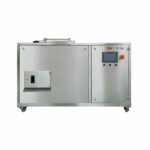 TMK-50
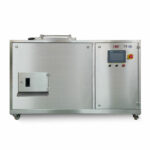 TMK-100
 TMK-200
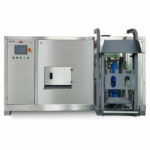 TMK-300
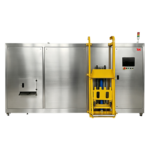 TMK-500
 TMK-1000
 TMK-2000
 TMK-5000
 30KGs
30KGs 50KGs
50KGs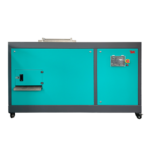 100KGs
 150KGs
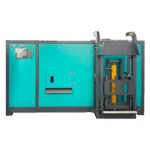 200KGs
 500KGs
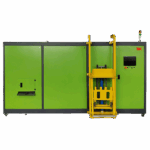 1000KGs
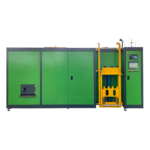 2000KGs
 5000KGs
As sustainability becomes a global priority, industries across the board are rethinking their waste management strategies to reduce environmental impact and promote a circular economy. At the heart of this shift are innovative technologies and systems designed to handle waste more efficiently, recover valuable resources, and minimize environmental harm. TMK is at the forefront of this movement, offering state-of-the-art solutions that are perfectly aligned with the emerging trends in sustainable waste management. In this post, we will explore key trends shaping the future of waste management and how TMK’s products and services are designed to meet the demands of a greener tomorrow.
1. Decentralized Waste Processing for On-Site Solutions
A growing trend in waste management is the push for decentralized waste processing. Instead of relying on large, centralized landfills or treatment plants, businesses are opting for on-site solutions that allow them to process waste where it is generated. This approach reduces transportation costs, minimizes emissions, and enhances resource recovery.
TMK’s Solution: On-Site Organic Waste Recycling
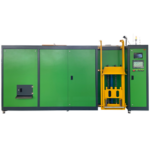
TMK offers compact on-site composting and anaerobic digestion units designed for businesses like hotels, restaurants, supermarkets, and farms. For example, the TMK Composters convert food waste into nutrient-rich compost in 24 hours. Businesses can reduce landfill contributions and lower their carbon footprint by managing organic waste on-site.
Why It Matters:
- Reduces dependence on external waste management services
- Cuts down greenhouse gas emissions from waste transport
- Promotes local resource recovery and reuse
2. Smart Waste Management Systems with IoT Integration
The rise of smart technologies is revolutionizing waste management by improving efficiency and optimizing resource allocation. Internet of Things (IoT) devices and sensors can monitor waste levels, predict maintenance needs, and provide data-driven insights for better waste management strategies.
TMK’s Solution: Smart Monitoring for Waste Systems
TMK integrates IoT technology into its waste management products, enabling real-time monitoring of composting and digestion processes. Businesses can track key performance metrics, receive alerts for maintenance, and ensure optimal system efficiency through digital interfaces.
Why It Matters:
- Reduces operational downtime and maintenance costs
- Provides actionable insights to improve waste processing
- Enhances overall system efficiency and performance
3. Circular Economy and Resource Recovery
The circular economy is a growing movement aimed at eliminating waste and continuously using resources. In this model, waste materials are viewed as valuable inputs that can be recovered, recycled, or repurposed rather than discarded.
TMK’s Solution: Composting for Soil Enrichment
TMK’s composting systems play a vital role in supporting the circular economy by turning organic waste into high-quality compost that can be used as a natural fertilizer. For businesses in agriculture, landscaping, and food production, this recovered resource reduces the need for chemical fertilizers and enhances soil health.
Additionally, TMK’s aerobic fermentation systems contribute by producing both renewable energy, creating a closed-loop waste-to-resource cycle.
Why It Matters:
- Supports zero-waste initiatives and sustainability goals
- Promotes the reuse of organic materials
- Reduces environmental degradation from chemical fertilizers
4. Waste Reduction Through AI and Machine Learning
AI and machine learning are being deployed to improve waste sorting, predict waste generation patterns, and optimize collection routes. By analyzing large datasets, these technologies can help identify waste reduction opportunities and streamline waste management processes.
TMK’s Approach: Optimizing Waste Processing Efficiency
TMK’s advanced composting systems are designed to work seamlessly with data-driven insights, allowing businesses to optimize their waste management strategies. For example, machine learning can predict peak waste generation periods, enabling businesses to adjust processing capacity accordingly.
Why It Matters:
- Minimizes waste through efficient sorting and processing
- Reduces overall waste management costs
- Improves resource recovery rates
5. Government Regulations Driving Sustainable Practices
Governments worldwide are implementing stricter regulations on waste disposal, landfill use, and greenhouse gas emissions. These regulations are driving businesses to adopt sustainable waste management technologies to remain compliant and avoid penalties.
TMK’s Role: Helping Businesses Stay Compliant
TMK’s products are designed to help businesses meet regulatory requirements, including those related to organic waste diversion and emission reduction. By adopting on-site composting or anaerobic digestion systems, businesses can reduce their environmental impact and demonstrate compliance with evolving regulations.
Why It Matters:
- Avoids fines and penalties from non-compliance
- Enhances brand reputation through sustainable practices
- Supports long-term environmental and financial goals
6. Collaboration Across Industries for Sustainable Solutions
Waste management is no longer an isolated effort—it requires collaboration between businesses, governments, and technology providers to achieve impactful results. Partnerships and knowledge-sharing are key to developing innovative solutions and scaling sustainable practices.
TMK’s Collaborative Approach
TMK actively partners with businesses, municipalities, and research institutions to develop tailored waste management solutions. Whether it’s a customized anaerobic digester for a farm or a compact composter for a restaurant, EcoRich works closely with stakeholders to meet their unique sustainability objectives.
Why It Matters:
- Accelerates the adoption of sustainable technologies
- Encourages innovation and continuous improvement
- Drives collective impact on waste reduction and resource conservation
Conclusion: Shaping a Greener Future with TMK
The future of sustainability in waste management lies in technological innovation, resource recovery, and collaborative efforts. As businesses face increasing pressure to minimize their environmental impact, they need reliable partners to guide them through the transition to sustainable practices. TMK’s comprehensive range of products—from on-site composters to anaerobic digesters—empower businesses to stay ahead of these trends while reducing costs and improving their environmental footprint.
By adopting cutting-edge solutions that align with the latest waste management trends, businesses can not only achieve their sustainability goals but also contribute to a healthier planet for future generations. TMK remains committed to being that partner, helping organizations pave the way for a more sustainable and resource-efficient world.