
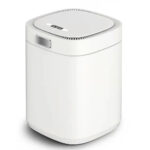
 TMK-1
TMK-1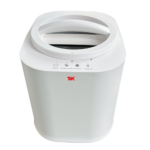 TMK-2
TMK-2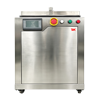 TMK-5
TMK-5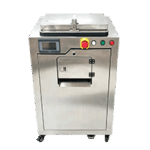 TMK-10
 TMK-30
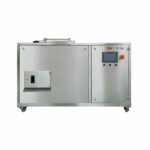 TMK-50
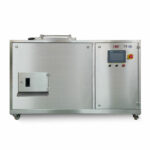 TMK-100
 TMK-200
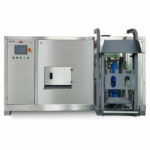 TMK-300
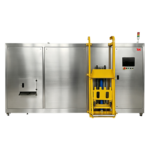 TMK-500
 TMK-1000
 TMK-2000
 TMK-5000
 30KGs
30KGs 50KGs
50KGs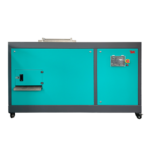 100KGs
 150KGs
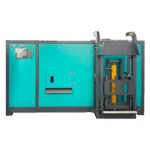 200KGs
 500KGs
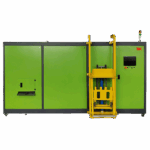 1000KGs
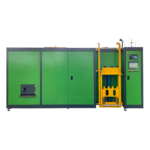 2000KGs
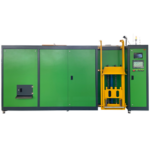 5000KGs
In today’s rapidly growing world, waste generation has become one of the biggest environmental challenges. From households to industries, the volume of waste produced daily is increasing at an alarming rate. Zero waste management is no longer just an environmental concept—it is a necessity for sustainable living. One of the most effective solutions supporting this movement is the use of composting machines, which convert organic waste into useful resources.
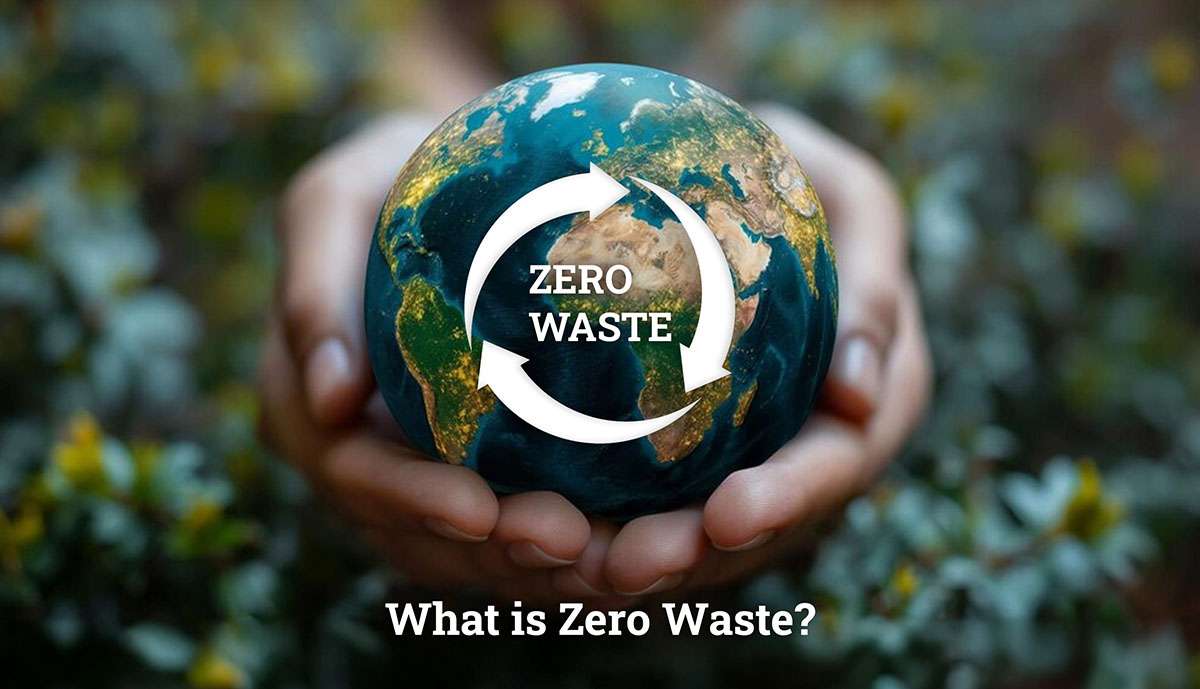
Zero waste management focuses on minimizing waste by promoting reduction, reuse, and recycling. A large portion of daily waste consists of organic materials such as food scraps, vegetable peels, and garden waste. When this waste is sent to landfills, it decomposes anaerobically and releases harmful greenhouse gases like methane. Composting machines offer a smarter alternative by converting this organic waste into nutrient-rich compost in a controlled and eco-friendly manner.
Composting machines simplify and accelerate the natural decomposition process. Unlike traditional composting methods that take weeks or even months, modern composting machines can produce compost within 21 to 24 hours. They operate using controlled temperature, proper aeration, and microbial activity to break down waste efficiently. This makes them highly suitable for residential societies, apartments, hotels, restaurants, and commercial establishments.
One of the major advantages of composting machines is their ability to significantly reduce waste volume, often by up to 80–90%. This reduction helps decrease the burden on municipal waste management systems and reduces the dependency on landfills. Additionally, the compost produced can be used for gardening, landscaping, and agricultural purposes, creating a sustainable cycle where waste is transformed into a valuable resource.
In urban areas where waste disposal is a major challenge, composting machines provide a practical and scalable solution. Many modern machines are compact, odor-free, and easy to operate, making them suitable even for small spaces. By adopting composting technology, individuals and organizations can actively contribute to environmental conservation while also lowering waste management costs.
Government initiatives and environmental policies are also encouraging the adoption of zero waste practices. In many cities, bulk waste generators such as residential complexes, hotels, and institutions are required to manage their organic waste onsite. Composting machines help organizations comply with these regulations while also enhancing their sustainability image and corporate responsibility.
In conclusion, composting machines play a vital role in achieving zero waste management goals. They reduce environmental pollution, lower waste disposal costs, and promote sustainable living by converting waste into a useful product. As awareness continues to grow, adopting composting solutions is becoming an essential step toward building a cleaner, greener, and more sustainable future.