
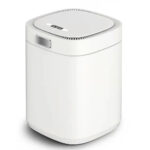
 TMK-1
TMK-1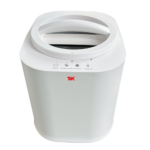 TMK-2
TMK-2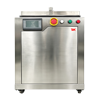 TMK-5
TMK-5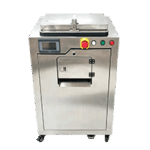 TMK-10
 TMK-30
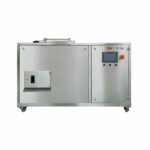 TMK-50
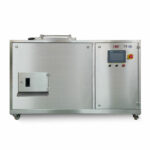 TMK-100
 TMK-200
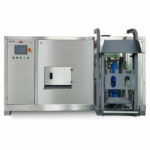 TMK-300
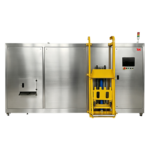 TMK-500
 TMK-1000
 TMK-2000
 TMK-5000
 30KGs
30KGs 50KGs
50KGs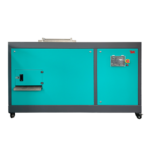 100KGs
 150KGs
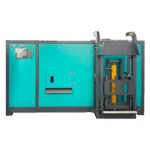 200KGs
 500KGs
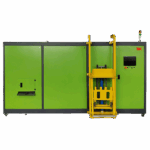 1000KGs
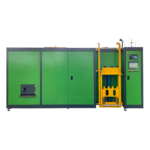 2000KGs
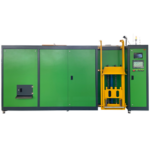 5000KGs
Imagine transforming yesterday’s leftovers and kitchen scraps into valuable resources like fertilizer, compost, fuel, and more—that’s the power of food waste recyclers. These innovative machines are revolutionizing how we manage both pre-and post-consumer food waste by processing everything from food prep trimmings to discarded meals. They help businesses work toward zero-waste goals by converting organic waste into valuable byproducts and significantly reducing landfill contributions. In a world prioritizing sustainability, food waste recyclers are becoming essential tools for eco-conscious waste management.
How Does an Organic Waste Composting Machine Work?
Food waste recyclers use biological and mechanical processes to decompose organic material. While there are a variety of food waste recyclers, each with its own unique method of breaking down the organic matter, overall, the process of food waste recycling is similar:
1. Commercial food waste is collected from sources like hospitals, large facilities and campuses, restaurants, cafeterias, or food manufacturing and distributing companies. This waste can include everything from scraps like vegetable peels to leftovers and even spoiled food, carefully sorted to remove contaminants like packaging, eating utensils, produce stickers, and other non-organic materials.
2. The food waste is loaded into the recycler. Some machines require food waste to be pre-shredded, so denser items, like bones and shells, are uniform in size for easier breakdown.
3. Decomposition then takes place within the machine. The composting occurs aerobically (with oxygen). Different machines also require different amounts of time, temperatures, and sometimes enzymes or water additives to effectively decompose food waste.
4. Byproduct collection takes place after food waste is fully decomposed. Food waste recyclers produce either natural biofertilizer, which can be incorporated into compost or used in landscaping.

What Materials Can an Organic Waste Composting Machine Process?
Not all food waste is the same, and not all food waste recyclers are the same. Some are more optimized for certain types of organic waste than others. However, there are general guidelines for feedstock materials:
- Suitable Materials: Most food waste recyclers can process a wide range of organic waste, including fruits, vegetables, grains, dairy, meat, and some oils. These items break down easily and don’t require pre-treatment.
- Unsuitable Items: Non-organic items, like plastics, glass, and metals, cannot be processed and should be removed before waste enters the recycler.
- Challenging Materials: Some organic materials, such as bones and shells, are more challenging to process. While not impossible, they may require pre-shredding or additional treatment for efficient breakdown. Although organic, green waste can be challenging for certain food waste recyclers, as it may be fibrous or have a high-water content that may not be accommodated by all food waste recycling systems.
Benefits of Organic Waste Composting Machines
Organic waste composting machines offer a range of benefits that make them an ideal solution for large-scale operations looking to reduce waste and improve sustainability:
Cost Savings: Food waste recyclers help significantly reduce waste hauling and disposal fees by processing waste on-site, eliminating the need for costly landfill transportation. This can lead to substantial savings over time for facilities with high waste volumes.
Efficiency in Waste Processing: Designed to handle large quantities of food waste with minimal energy usage, commercial food waste recyclers efficiently break down organic materials, enabling faster processing and reducing overall waste volume. Plus, the food waste being processed avoids landfills, helping to reduce greenhouse gas emissions.
Sustainability and Resource Generation: Food waste recyclers help facilities achieve sustainability goals by diverting organic waste from landfills. Byproducts, such as natural biofertilizer or biogas, can be reused to benefit the facility, whether for landscaping, agriculture, or energy generation—further contributing to a circular waste management system.
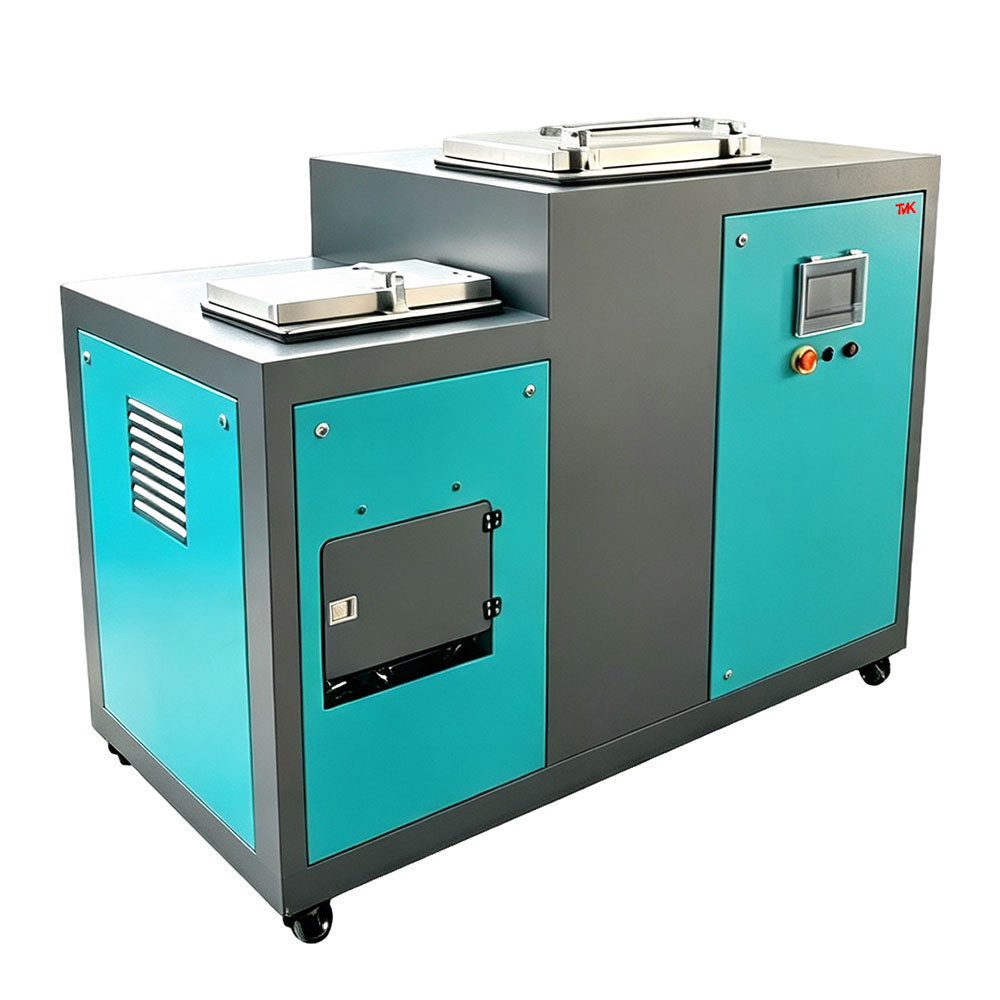
Fill in your contact information to receive the latest quotation, product details, and customized solutions from our team.
Who Uses Commercial Organic Waste Composting Machines?
Commercial food waste recyclers are ideal for businesses and industries that handle large quantities of organic waste and are committed to sustainability and reducing disposal costs. Ideal candidates may include:
- Large-Scale Facilities and Campuses: Universities, corporate campuses, hospitals, and sporting and event venues often produce large amounts of food waste. These organizations can implement food waste recyclers to minimize waste and support their sustainability goals.
- Waste Management and Recycling Facilities: Businesses that manage waste for municipalities or other large facilities can utilize industrial food waste recyclers to handle organic waste efficiently and support waste diversion efforts in their communities.
- Hospitality: Restaurants, hotels, and catering services generate significant amounts of food waste daily. Food waste recyclers help these businesses reduce disposal fees and contribute to sustainability by diverting waste from landfills.
- Food Manufacturing and Distribution: Supermarkets, grocery stores, food distributors, and manufacturers generate large amounts of organic waste, including unsold, spoiled, or cosmetically damaged produce and production byproducts. Food waste recyclers help process this waste efficiently, reducing disposal costs and supporting sustainability goals.
Why Choose TMK’s Organic Waste Composting Machines?
TMK’s organic waste composting machines are redefining efficiency in waste management. They process 10 to over 5,000 kgs of food waste per day (depending on the model) into nutrient-rich natural biofertilizer within just 24 hours. By reducing waste volume and weight by 85%—and doing it all without using water—these systems offer a streamlined, eco-friendly solution for high-demand facilities. Designed with a sleek, compact footprint, TMK organic waste composting machines fit comfortably in various spaces, bringing top-tier efficiency to food waste processing.