
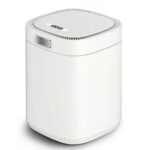
 TMK-1
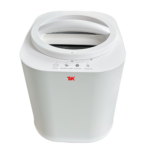 TMK-2
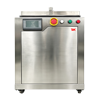 TMK-5
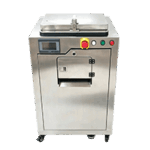 TMK-10
 TMK-30
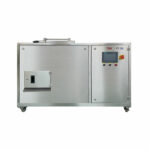 TMK-50
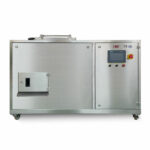 TMK-100
 TMK-200
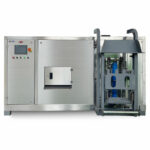 TMK-300
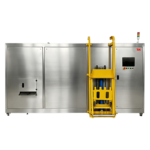 TMK-500
 TMK-1000
 TMK-2000
 TMK-5000
 30KGs
 50KGs
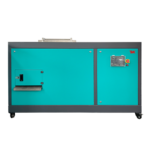 100KGs
 150KGs
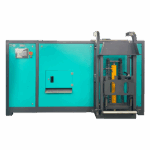 200KGs
 500KGs
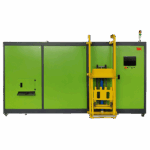 1000KGs
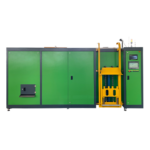 2000KGs
 5000KGs
Machine That Breaks Down Food Waste: An Efficient Solution for Organic Waste Recycling
Food waste is a growing environmental challenge for households, restaurants, hotels, schools, supermarkets, and food processing facilities. Traditional disposal methods, such as landfilling and transporting waste to treatment centers, can raise operating costs and increase environmental pollution. A machine that breaks down food waste offers a smarter and more sustainable way to manage organic waste at its source.
With advanced composting technology, food waste can be processed efficiently and converted into useful organic material, helping businesses reduce waste volume, improve waste management efficiency, and support a greener future.
What Is a Machine That Breaks Down Food Waste?
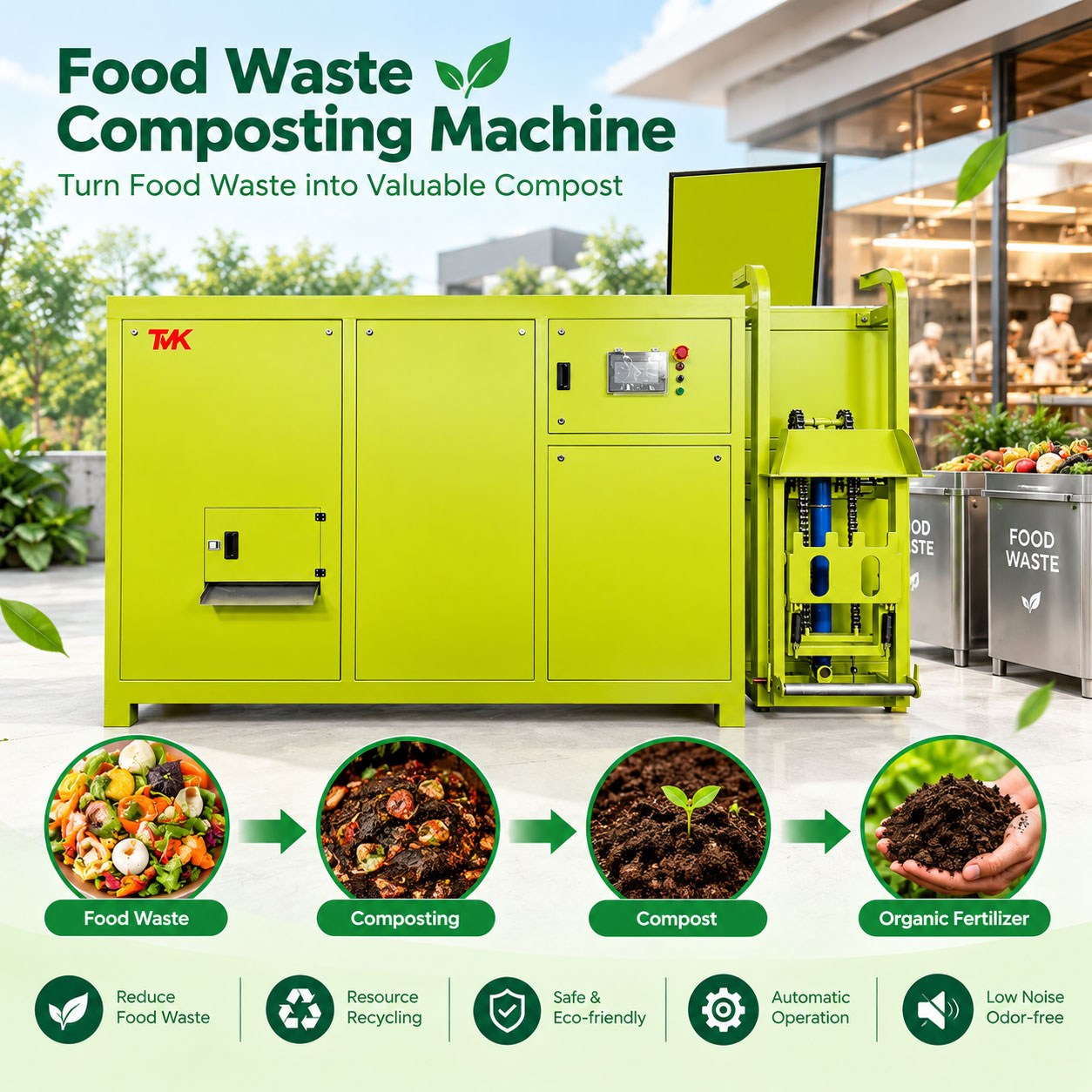
A machine that breaks down food waste is an automated system designed to process organic kitchen waste, including fruit peels, vegetable scraps, leftover meals, rice, bread, coffee grounds, and other biodegradable food materials.
Depending on the machine’s technology, food waste can be processed through dehydration, grinding, aerobic microbial decomposition, or a combination of these methods. Advanced organic waste composting machines use beneficial microorganisms and controlled operating conditions to accelerate the decomposition process and produce compost-like organic material.
Unlike traditional waste disposal methods, an on-site food waste processing machine allows users to handle organic waste directly at their facilities, reducing the need for frequent waste collection and transportation.
How Does a Food Waste Breakdown Machine Work?
Modern food waste composting machines combine several processes to improve treatment efficiency and reduce waste volume.
1. Food Waste Collection and Loading
Food scraps and other suitable organic waste are collected and loaded into the machine. Depending on the model, the equipment can handle different daily capacities, from small household quantities to large volumes generated by commercial kitchens and food processing facilities.
2. Crushing and Size Reduction
Some models use a crushing or shredding system to break food waste into smaller pieces. This helps improve material uniformity and supports more efficient subsequent processing.
3. Decomposition and Composting
In microbial composting systems, beneficial microorganisms break down organic matter under controlled temperature and oxygen conditions. This process accelerates the decomposition of food waste and helps transform it into compost or compost-like organic material.
Depending on the machine model, waste composition, and operating conditions, processing can be completed in approximately 24 hours.
4. Moisture and Odor Control
Food waste contains a high percentage of moisture, which can cause unpleasant odors during storage and transportation. Integrated moisture management and deodorization systems help reduce excess moisture and control odors during processing.
Depending on the equipment configuration, odor control may use activated carbon, advanced filtration, ultraviolet technology, or other treatment methods.
5. Organic Material Collection
After processing, the resulting material can be collected for appropriate further curing, composting, or use according to its quality and local regulations. Properly processed organic material may be used as a soil amendment when it meets applicable safety and quality requirements.
Where Can Food Waste Breakdown Machines Be Used?
A machine that breaks down food waste can serve a wide range of applications.
- Restaurants and Commercial Kitchens: Process daily food scraps, preparation waste, and suitable plate leftovers.
- Hotels and Resorts: Manage organic waste generated by restaurants, buffets, and catering operations.
- Schools and Universities: Handle food waste from cafeterias and dining halls.
- Hospitals and Care Facilities: Support organized food waste management in kitchens and dining areas, subject to applicable waste-handling requirements.
- Supermarkets and Food Retailers: Process suitable discarded fruits, vegetables, and other biodegradable food products.
- Food Processing Factories: Manage organic by-products generated during food preparation and manufacturing.
- Residential Buildings: Provide convenient on-site treatment solutions for shared kitchens and community waste management projects.
- Municipalities and Community Projects: Support decentralized organic waste treatment and recycling initiatives.
Conclusion
A machine that breaks down food waste is a practical solution for organizations looking to improve waste management, reduce organic waste volume, and support environmental sustainability. From small kitchens to large commercial facilities, the right food waste processing equipment can make organic waste treatment more convenient and efficient.
When choosing a machine, consider processing capacity, decomposition technology, odor control, energy consumption, and the intended use of the final output.
Looking for a reliable food waste composting machine? Explore TMK Composter solutions to find equipment suited to your daily waste generation and application requirements.
TMK Composter — Less Waste. Better Soil. A Greener Future.