
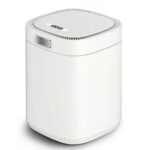
 TMK-1
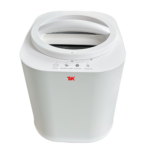 TMK-2
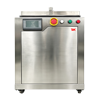 TMK-5
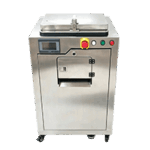 TMK-10
 TMK-30
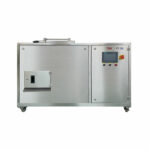 TMK-50
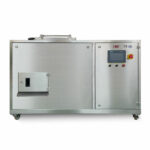 TMK-100
 TMK-200
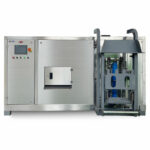 TMK-300
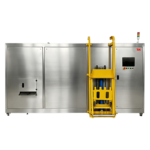 TMK-500
 TMK-1000
 TMK-2000
 TMK-5000
 30KGs
 50KGs
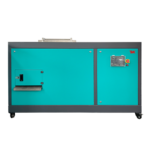 100KGs
 150KGs
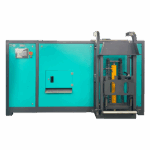 200KGs
 500KGs
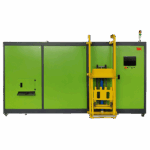 1000KGs
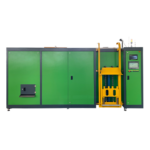 2000KGs
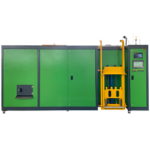 5000KGs
Advanced On-Site Food Waste Treatment and Organic Composting Solution
TMK introduces an advanced food waste composting system designed to transform a wide range of organic waste into nutrient-rich compost in approximately 24 hours. By combining controlled heating, mechanical mixing, microbial fermentation, and an advanced deodorization system, the solution provides an efficient, hygienic, and environmentally friendly approach to food waste management.
The system is capable of processing various types of organic waste, including food scraps, meat products, fruit and vegetable peelings, fish waste, soft bones, eggshells, and most other food leftovers. It can also accommodate suitable compostable cardboard and food packaging materials, provided they meet the system’s processing requirements. Through a controlled biological decomposition process, these materials are converted into a reduced-volume, soil-enriching organic output.
When processing materials with a high proportion of cardboard or compostable packaging, additional moisture may be required to maintain an appropriate moisture balance. This is particularly important because microorganisms rely on suitable moisture, temperature, and nutrient conditions to remain active and support efficient decomposition. Maintaining a balanced organic mixture helps optimize fermentation performance and ensure consistent compost quality.
1. On-Site Food Waste Treatment
One of the key advantages of the TMK system is its on-site installation capability. The equipment can be installed directly at the point where food waste is generated, such as restaurants, hotels, commercial kitchens, supermarkets, food processing facilities, schools, and institutional catering centers.
By treating organic waste at its source, the system significantly reduces the need for waste collection, transportation, and off-site disposal. This helps lower transportation costs, minimize secondary pollution risks, reduce greenhouse gas emissions associated with waste logistics, and improve overall waste management efficiency.
The decentralized treatment approach also allows businesses to manage their organic waste independently while supporting sustainable operations and circular resource utilization.
2. Advanced Mechanical Composting Technology
The TMK food waste composting system consists of a main composting unit equipped with an enclosed processing chamber and an integrated mixing and ventilation mechanism.
Inside the chamber, specially designed rotating mixing arms continuously agitate and blend the organic materials. This mechanical mixing helps distribute heat, moisture, and microorganisms evenly throughout the waste, preventing material accumulation and improving the consistency of the fermentation process.
At the same time, a ventilation fan supplies the necessary airflow to maintain suitable aerobic conditions. Adequate oxygen circulation supports microbial activity, facilitates organic matter decomposition, and helps regulate the operating environment inside the chamber.
The combination of mechanical agitation, controlled airflow, and temperature management creates favorable conditions for rapid organic waste fermentation.
3. Accelerated Microbial Fermentation
Microbial fermentation is the core technology behind the TMK composting system.
Specially selected composting microorganisms are introduced into the processing chamber and work together with naturally occurring microorganisms present in the organic waste. Under controlled operating conditions, these beneficial microorganisms become active and multiply, accelerating the breakdown of complex organic materials into more stable organic matter.
The system maintains elevated processing temperatures, generally at 50°C or above, to support microbial activity and accelerate decomposition. With suitable oxygen supply, moisture content, and temperature regulation, the fermentation process can convert a wide variety of food waste into compost within an estimated 24-hour processing cycle.
This high-temperature biological treatment also helps reduce undesirable microorganisms and improve the hygienic quality of the processed material.
4. High-Temperature Hygienization
To further improve the safety and hygiene of the final output, the TMK system incorporates a high-temperature sanitization stage.
At the end of the composting process, the material is subjected to a temperature of approximately 70°C, maintained for 60 minutes under controlled conditions. This thermal treatment is designed to significantly reduce harmful bacteria and other potentially pathogenic microorganisms.
The combination of microbial fermentation and high-temperature hygienization provides an additional layer of protection, making the resulting organic material more suitable for subsequent handling and horticultural applications.
5. Integrated Odor Control and Air Treatment
Odor management is an essential consideration in food waste processing, particularly in indoor and commercial environments.
The TMK composting system is equipped with an integrated deodorization unit designed to capture, absorb, and reduce unpleasant odors generated during organic waste decomposition.
Depending on the equipment model and project requirements, the odor treatment configuration may incorporate activated carbon, advanced carbon filtration materials, UV treatment, or additional air purification technologies.
The treatment system helps minimize odor emissions and maintain a cleaner, more comfortable working environment. Its enclosed processing design and integrated odor control technology make the equipment suitable for installation in commercial kitchens, restaurants, hotels, and other facilities where effective odor management is important.
6. Continuous Operation and Easy Maintenance
The TMK system is designed to support convenient daily operation and continuous food waste processing.
Additional food scraps and suitable compostable materials can be added during operation, allowing the system to process newly generated organic waste without requiring a complete shutdown after every batch.
For larger continuous-feed applications, the composting chamber can operate through repeated feeding and processing cycles. The accumulated compost should generally be discharged every 1–3 weeks, depending on the machine model, processing capacity, waste composition, feeding volume, and operating conditions.
This arrangement reduces the frequency of manual unloading while allowing the equipment to maintain a stable processing cycle.
Routine maintenance mainly involves checking the mixing mechanism, ventilation system, deodorization components, and microbial culture levels. Proper operation and regular maintenance help ensure reliable performance and extend equipment service life.
7. Nutrient-Rich Compost for Horticultural Applications
The final output of the TMK food waste composting system is a reduced-volume organic material containing valuable organic matter and nutrients derived from the original food waste.
After appropriate maturation and quality assessment, the processed material can be used as an organic soil amendment in a variety of horticultural and agricultural applications.
For general horticultural use, an initial mixing ratio of approximately 1 part compost to 10 parts soil (1:10) may be adopted, subject to the compost’s maturity, nutrient composition, salinity, and intended application. The material can be incorporated into garden soil, landscaping substrates, planting beds, and other suitable growing media.
By returning recovered organic resources to the soil, the system helps support soil improvement, resource recovery, and a more sustainable approach to organic waste management.
8. Supporting a Circular and Sustainable Future
The TMK Food Waste Composting System offers more than an efficient waste treatment solution. It provides an integrated approach to reducing organic waste, recovering valuable resources, and promoting environmental responsibility.
By converting food waste into useful organic material directly at its source, the system helps businesses reduce disposal requirements, improve operational efficiency, and contribute to a more circular economy.
From small commercial kitchens to large-scale food processing facilities, TMK provides flexible food waste composting solutions tailored to different capacities, applications, and project requirements.
TMK Composter — Less Waste. Better Soil. A Greener Future.