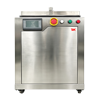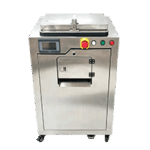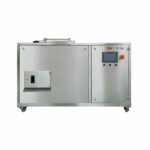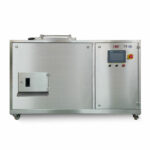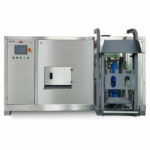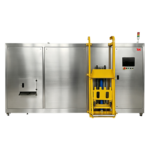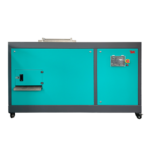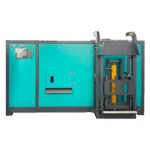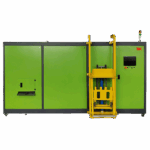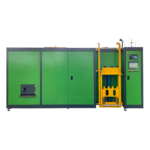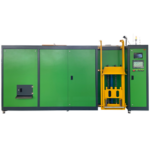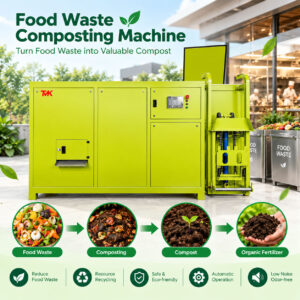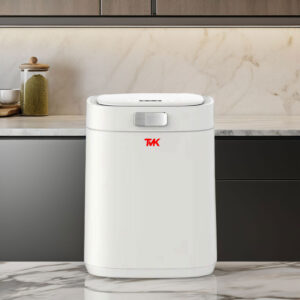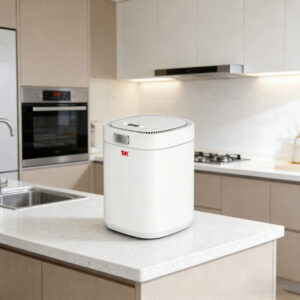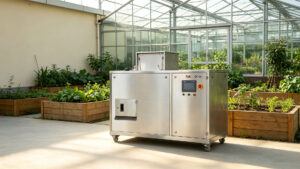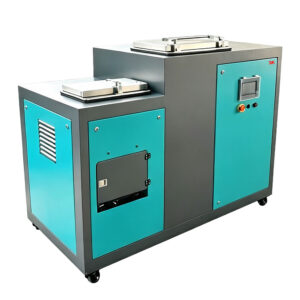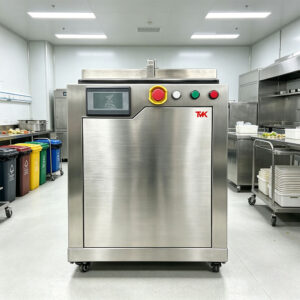
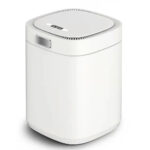
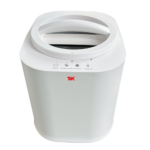
food waste digester

Food Waste Digesters – Aerobic Food Waste Composter Range

TMK food digesters come in a full range of sizes that process from 10KG to 5 tonnes per day of food waste and are continuous feed digesters that do not use any fresh water and have no gray water discharge to the sewers.   Food waste collected in compostable (PLA) bags can be thrown whole into the system, leaving clean totes ready for the next shift. The digester will also process compostable dinnerware and cutlery from PLA suppliers with the food waste. Most importantly, the (pathogen-free) biomass output is stable and will not rot or smell if rehydrated and can be land applied as an organic fertilizer.   Our food waste digester technology has the ability to turn raw organic waste into a dry material

Read More »

Reducing Waste in Healthcare Facilities:The Role of Composting

Healthcare facilities generate significant amounts of waste, including medical waste, packaging materials, and food scraps. This waste often ends up in landfills, contributing to environmental pollution and greenhouse gas emissions. One effective way to reduce waste in healthcare facilities is through composting.   Composting is a natural process that decomposes organic materials into nutrient-rich compost, which can be used to improve soil health and reduce the need for synthetic fertilisers. In healthcare facilities, composting can be used to divert food waste, paper products, and other organic materials from landfills through the use of an industrial composter, like a TMK machine.   The Benefits of Composting in Healthcare Facilities:   Reduced Landfill Waste: Composting can significantly reduce the amount of waste sent to landfills, helping to

Read More »

How Compost Helps Mitigate Climate Change?

In the fight against climate change, various strategies are being explored to reduce greenhouse gas emissions and enhance climate resilience. One of the most effective yet often overlooked methods is composting. This natural process of recycling organic waste not only enriches soil but also plays a significant role in mitigating climate change. By understanding how composting works and its benefits, we can appreciate its potential in fostering a more sustainable and resilient environment.   Understanding Composting   Composting is the process of breaking down organic materials such as food scraps, yard waste, and manure into a nutrient-rich substance called compost. This decomposition is facilitated by microorganisms, fungi, and insects that thrive in an oxygen-rich environment. The end product, compost, can be used to improve soil

Read More »

8 Reasons Why Composting is Good For The Environment

Composting is the process of breaking down organic materials, such as food scraps and yard waste, into a nutrient-rich soil amendment called compost. It’s like giving Mother Nature a helping hand in her never-ending cycle of life.   How does composting help the environment?   1. Reduces landfill waste   By composting your kitchen scraps and yard trimmings, you can divert a significant amount of waste from ending up in landfills. This reduces the production of harmful greenhouse gases like methane, which contribute to climate change.   2. Improves soil health   Compost enriches the soil by providing essential nutrients and enhancing its ability to retain water. Healthy soils support plant growth, increase biodiversity, and help combat erosion.   3. Decreases the need for chemical

Read More »

What Is Compost Made Of? Why Is Composting Important? What to Do with Compost?

In an age when sustainability and waste reduction are becoming increasingly important, composting has emerged as one of the simplest yet most effective ways to contribute to a cleaner planet. For both households and businesses in Tha, composting transforms food scraps and garden waste into nutrient-rich soil — turning what might have been discarded as rubbish into something genuinely valuable.   But what exactly is compost made of? Why is composting such a crucial process for our environment? And once you’ve made compost, how can you put it to good use? Let’s explore these questions in detail — and discover how modern solutions like TMK’s electric composters make this process easier, faster, and cleaner than ever before.   What Is Compost Made of?   At

Read More »

The Benefits of Organic Composter Machines & Why You Should Consider Installing One

What is Composting?   Composting is the process of using living organisms to break down organic matter into a usable form. The result of this process is called compost. Compost holds moisture, which helps plants grow. It also retains nutrients and helps keep your garden healthy.   How Does Composting Work?   Microorganisms break down organic matter, and the more time you give them, the better your compost will be. The faster you’re able to turn your kitchen scraps into compost, the better the quality of your soil will be.   Benefits of TMK Organic Waste Composter   TMK organic waste composter is a breakthrough in efforts to find safe and environmentally friendly technologies for waste treatment. It is a solution to the shortcomings of

Read More »