
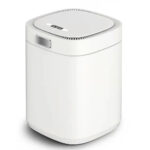
 TMK-1
TMK-1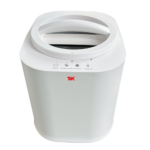 TMK-2
TMK-2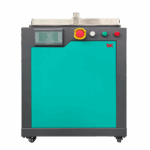 TMK-5
TMK-5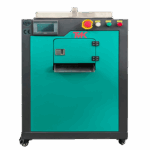 TMK-10
 TMK-30
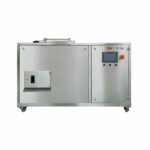 TMK-50
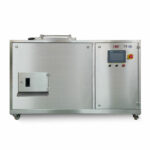 TMK-100
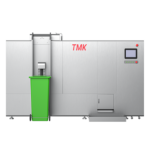 TMK-200
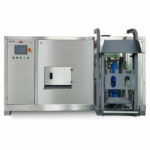 TMK-300
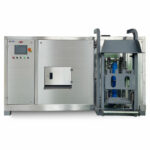 TMK-500
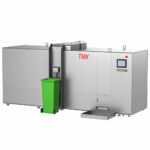 TMK-1000
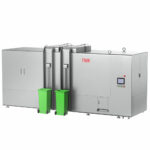 TMK-5000
 30KGs
30KGs 50KGs
50KGs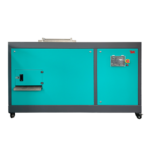 100KGs
 150KGs
 500KGs
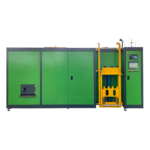 2000KGs
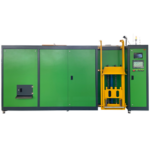 5000KGs
Hotels and restaurants generate substantial food waste daily, creating challenges for hygiene, cost, and sustainability. A food waste disposer grinds scraps into smaller pieces for disposal or recycling. The mechanics of commercial food disposers and the benefits to hospitality businesses are discussed. Find out how TMK’s kitchen waste solutions create cleaner, greener kitchens.
Overview: Food Waste Disposer
- What is it? A food waste disposer grinds food scraps into small particles for hotels and restaurants.
- Key Benefits: Reduced waste volume, improved hygiene, lower disposal costs, and support for eco-friendly practices.
- Applications: Ideal for large kitchens in hotels, restaurants, and catering services.
Understanding the Food Waste Disposer
A food waste disposer is also called a food waste crusher or kitchen crusher. It grinds food scraps, such as vegetable peels, meat bones, and leftovers, into a fine powder and is installed under sinks. These particles are flushed through plumbing or processed for composting, reducing waste volume. Unlike residential models, industrial food disposers can handle high volumes of waste with robust motors and blades. Key features include:
- High-Powered Motors: Pick up tough material like bones and fibrous vegetables.
- Stainless Steel Components: Stable, resistant to corrosion.
- Automatic Operation: Safety features make use simpler in busy kitchens.
- Low Water Usage: Some models can save up to 70% water.
They simplify kitchen operations and are therefore essential equipment for hotels or restaurants wishing to maintain hygiene and productivity.
The Challenge of Food Waste in Hospitality
The hospitality industry produces about 1.3 billion tons of food waste per year, the UN estimates. Hotels and restaurants face challenges like:
- High Waste Volumes: Buffets, banquets and catering leave lots of scraps.
- Hygiene Concerns: Food waste in dumpsters draws pests and creates odors.
- Cost Pressures: Waste disposal and landfill fees strain budgets.
- A food waste disposer handles these issues by reducing waste volume, improving sanitation and supporting recycling or composting in line with eco-conscious hospitality trends.
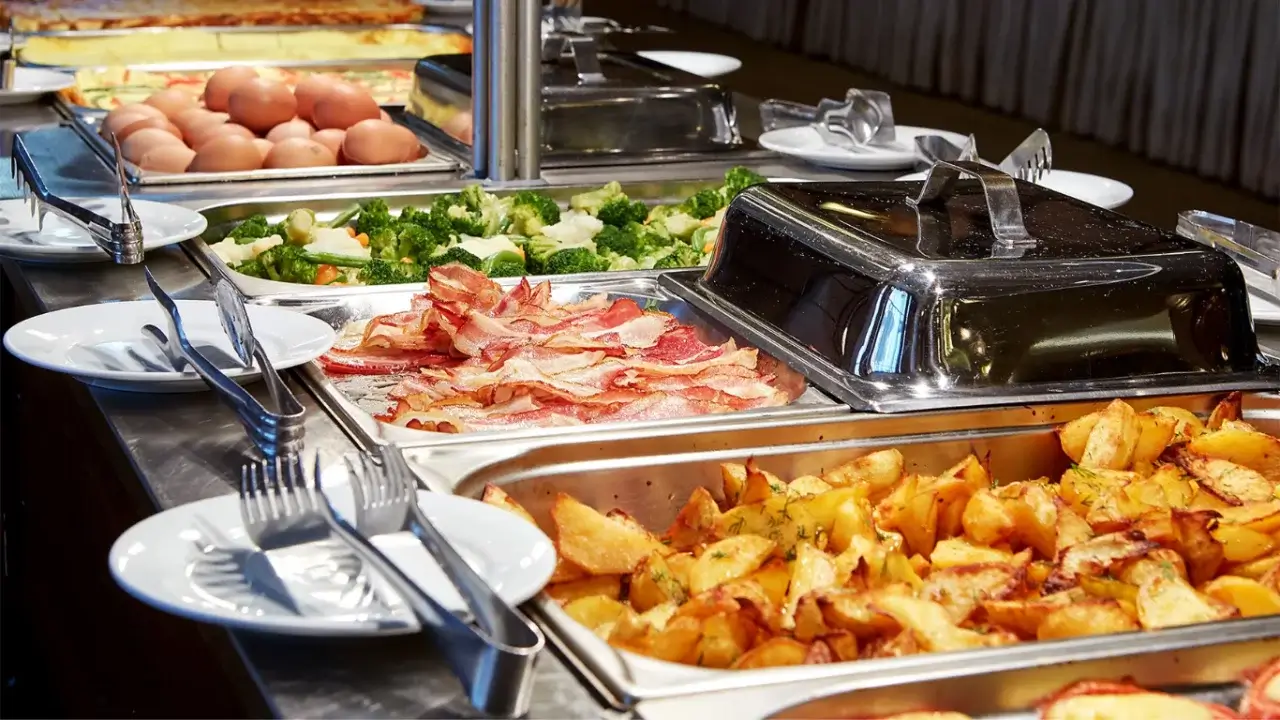
- Benefits of Food Waste Disposers for Hotels and Restaurants
A food waste disposer gives hospitality businesses tangible benefits in terms of operational, financial, and environmental benefits:
- Significant Waste Reduction: Grinding food scraps into fine particles reduces waste volume up to 50%. This reduces the space needed for waste storage and dumpster trips and thus hauling fees.
- Enhanced Kitchen Hygiene: Food waste left in bins attracts rats and flies and has unpleasant odors. A kitchen crusher removes this problem by processing scraps immediately in a cleaner and safer kitchen.
- Cost Efficiency: Reducing waste volume lowers disposal costs, which can be up to 4% of an operating budget for a restaurant. Also, industrial food crushers reduce waste handling labor, so staff can concentrate on food preparation and service.
- Operational Streamlining: The Best kitchen waste disposer speeds cleanup. Staff need not do waste sorting or transport themselves. This is critical in high-volume settings such as hotel buffets, where guest satisfaction requires rapid waste management.
Using an industrial food disposer, for example, can save thousands of dollars annually on waste management while projecting a greener brand image to eco-conscious customers.
Applications in Hospitality Settings
The food waste disposer is adapted to hospitality waste challenges:
- Restaurants: High-turnover kitchens have continuous-feed kitchen crushers for various scraps, including vegetable peels, meat trimmings, and plate leftovers.
- Hotels: Large-scale operations like buffets and room service produce different wastes. From fruit rinds to banquet scraps, industrial food crushers handle all hygiene standards and reduce landfill contributions.
- Biogas Plants: Crushed food waste is more productive than raw waste in terms of energy generation inputs for biogas Plants. That makes biogas plant owners and installation companies target customers of TMK for its food waste disposer solutions.
- Catering Services: Mobile and event caterers use compact commercial food disposers to process waste on site, reducing cleanup time and transport. This is useful for outdoor/large events.
- Cafeterias: High-throughput settings like hospital or university dining halls use food waste crushers to process thousands of servings daily.
- Food Trucks & Small Kitchens: Small waste volumes from compact kitchen waste solutions fit under tight countertops in space-constrained operations.
Partner with TMK for Greener Kitchens
At TMK Composter, we are redefining how food waste is managed across hotels, restaurants, and biogas plants. Our food waste disposers simplify operations, lower costs, and help the environment, as you’ll read here. By integrating industrial food disposers into a hub-and-spoke content strategy, we educate & engage businesses on the value of our kitchen waste solutions.
With a global presence of over 1500 installations, TMK brings you tailor-made kitchen crushers. Are you upgrading your waste management? Find out more about our best kitchen waste disposers and request a consultation. Let’s build a cleaner, better kitchen together!