
 TMK-1
TMK-1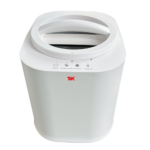 TMK-2
TMK-2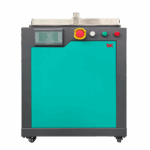 TMK-5
TMK-5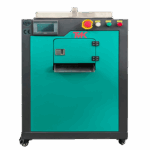 TMK-10
 TMK-30
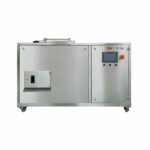 TMK-50
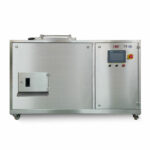 TMK-100
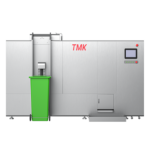 TMK-200
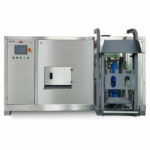 TMK-300
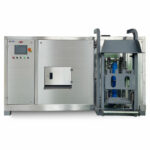 TMK-500
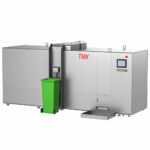 TMK-1000
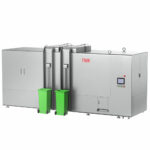 TMK-5000
 30KGs
30KGs 50KGs
50KGs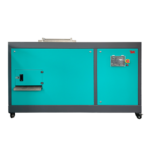 100KGs
 150KGs
 500KGs
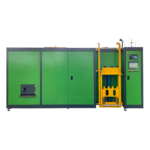 2000KGs
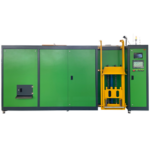 5000KGs
Introduction:
Hey there, sustainability enthusiasts! Today, we’re diving into the exciting world of food waste recycling (with a modern twist). With food waste clogging up our landfills and emitting scary amounts of methane gas into the atmosphere, tackling food waste at home has never been so important.
Imagine a world where you can recycle your kitchen scraps by turning them into nutrient-rich soil amendment, without the hassle of traditional composting. Well, that’s where the TMK Composter comes in! Often mistaken for an “electric composter,” this compact yet powerful appliance is a game-changer in sustainable food waste management. Join us as we explore the science behind the TMK composter process, the magical “Composter” it produces, how you can use it, and its role in reducing our environmental footprint.
What’s an Electric Food Waste Composter?
First things first, what exactly is an electric food waste recycler like the TMK Composter? Electric food waste recyclers have been called many things over the past few years: countertop composter, electric composter, dehydrator – you name it!
You can think of food waste recyclers as your convenient kitchen helper that uses a mix of heat, aeration, and Fermentation to shrink your food waste while minimizing emissions and unpleasant odors. It’s like composting’s tech-savvy cousin, designed for those tight on space or time.
TMK Composter vs. Traditional Composting:
Let’s talk about the TMK Composter versus traditional composting. Both are superhero methods for battling food waste, but they each have their unique powers:
- Product Outcome: Traditional composting creates moist, bacteria-rich compost over several months, while the TMK Composter generates a dry, nearly bacteria-free biomass that can be used as fertilizer or added to compost.
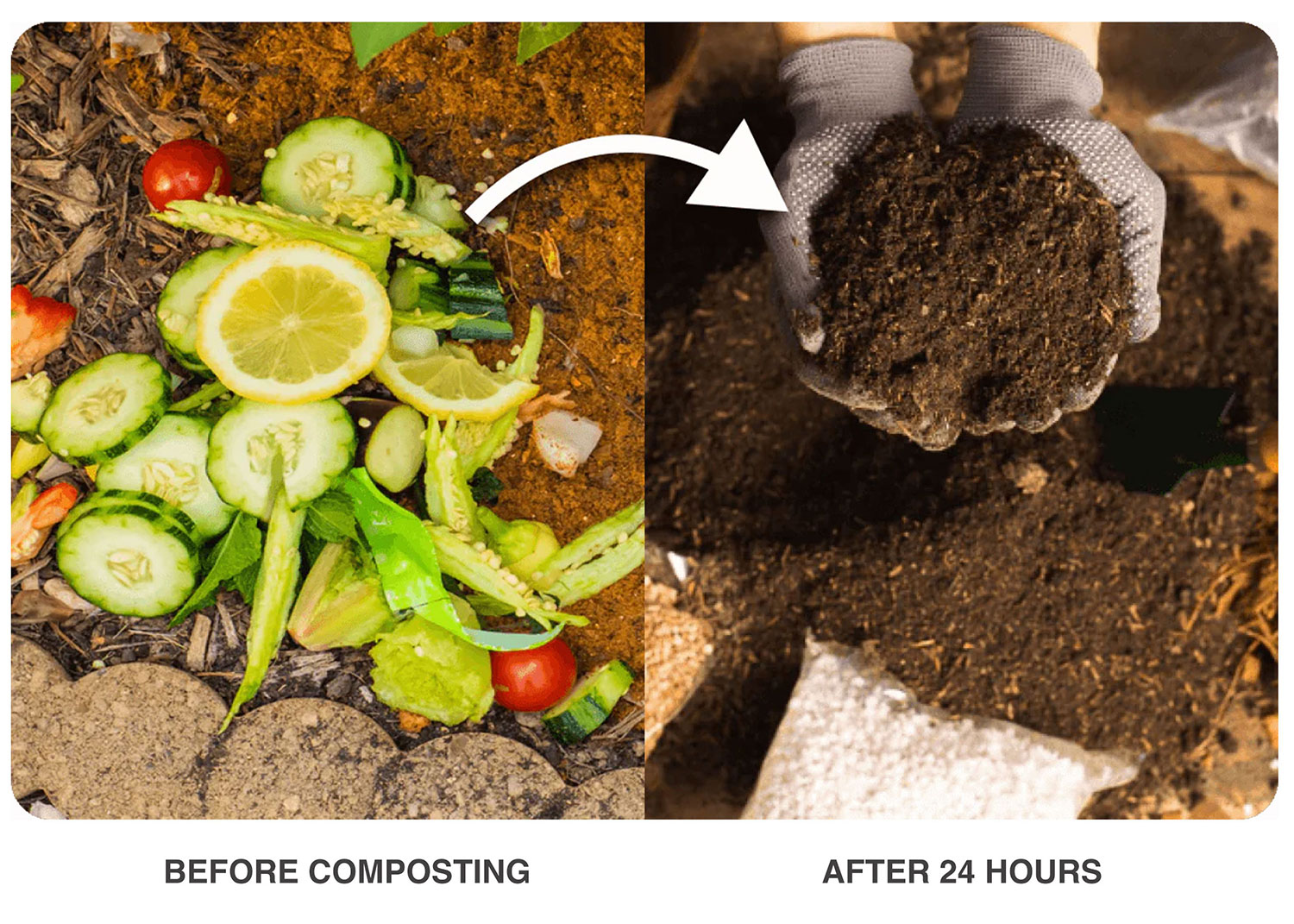
- Time & Energy: Composting takes months, relying on microbes, whereas the TMK Composter works its magic in just 24 hours, with electricity.
- Input Limitations: Traditional composting can be picky about what it accepts, but the TMK Composter handles a wider variety of food waste, including meat, processed foods, and dairy.
- Seasonality: Traditional composting can hit a roadblock during winter, but the TMK Composter thrives all year round.
Why Do People Use TMK Composter?
- Odor-Free Solution: Say goodbye to nasty food waste odors with the TMK Composter’s technology.
- All-Season Use: It’s your indoor, weather-proof food waste recycling buddy.
- Small Space-Friendly: Perfect for city dwellers with limited room.
- Easy To Use: You only need to add your food waste and press Start!
- Quick Processing: Your food waste transforms into soil amendment (or Foodilizer, as we call it) in no time.
- Versatility: It handles a wide range of food waste, including meat, dairy and most bones.
- Eco-Friendly: Reduces methane emissions compared to landfilling food waste, contributing to a greener planet.
- Almost Completely Bacteria-Free & Storable Fertilizer: The FoodCycler’s by-product can be used as a soil amendment or fertilizer in your garden or potted plants. Because the by-product is dry and nearly bacteria-free, it can be stored long-term when kept dry!

The Science of Fertilizers:
Now, let’s talk about Fertilizers – the TMK Composter’s powerhouse by-product! It’s packed with nutrients and can enrich your soil or compost. You may be wondering… what is it, exactly?
First things first: What is fertilizer?
Fertilizers are like the vitamins of the plant world. Plants need six macronutrients to live; while plants can pull oxygen, hydrogen and carbon from water and air, the remaining three (nitrogen, phosphorous and potassium – or, NPK are supplied by the soil alone. Cue: fertilizer.
Fertilizers add in controlled amounts of the remaining three macronutrients plants need to thrive, usually listed as a ratio on commercial fertilizer labels. Using fertilizer is a good way to ensure that your soil is rich enough in nutrients to properly nourish your plants.
Note: Plants also need other nutrients, like calcium, magnesium and sulfur – but these can be added in much smaller quantities.
Carbon to Nitrogen (C:N): How many “greens” versus how many “browns”?
The ratio of carbon to nitrogen in soil amendments is like the secret sauce behind the scenes, affecting how microbes work their magic on organic matter. When this ratio is balanced just right, microbes in the soil have enough energy and resources to break down food waste without overloading the process. It’s equivalent to having a good work-life balance: when you have enough energy and things that “feed” you, you have more energy to handle a hefty workload!