
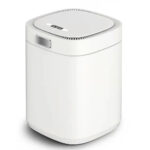
 TMK-1
TMK-1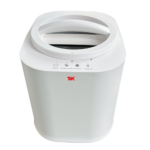 TMK-2
TMK-2 TMK-5
TMK-5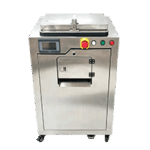 TMK-10
 TMK-30
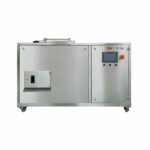 TMK-50
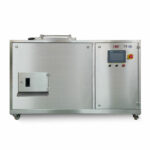 TMK-100
 TMK-200
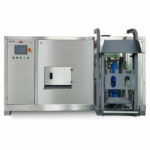 TMK-300
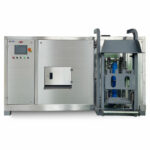 TMK-500
 TMK-1000
 TMK-2000
 TMK-5000
 30KGs
30KGs 50KGs
50KGs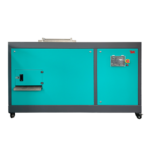 100KGs
 150KGs
 500KGs
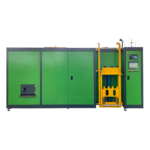 2000KGs
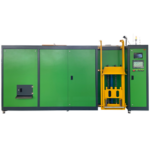 5000KGs
Every day, homes, hotels, restaurants, and institutions generate massive amounts of food waste. If you have been looking for a smarter way to handle that waste, an organic waste composter is the answer the world needs right now.
Food waste is no longer just a hygiene issue. It has become an environmental, financial, and regulatory challenge that affects every kind of establishment, from small cafes to large municipalities.
Understanding the real problems behind food waste management and how modern organic waste composter machines address them is the first step toward a cleaner, more sustainable future.
The Biggest Problems in Managing Food Waste Today
1. Overflowing Landfills and Space Shortages
We generate millions of tonnes of municipal solid waste every year, and a significant share of it is organic food waste. Landfills across the world are running out of space at an alarming rate. Cities are struggling to find new dumping grounds, and the ones that exist are already beyond capacity. The result is unmanaged waste piling up on roadsides, in waterways, and in residential areas, creating health hazards and ugly living conditions for everyone nearby.
2. Deadly Greenhouse Gases (Methane Emissions)
When food waste decomposes in a landfill without oxygen, it produces methane, a greenhouse gas that is far more potent than carbon dioxide at trapping heat in the atmosphere.
Landfill methane is a major driver of climate change, yet most food waste still ends up there. Every tonne of food waste that goes to a landfill is a missed opportunity to do something better.
3. Foul Odors and Pest Infestations
Anyone who has managed a hotel kitchen, hospital cafeteria, or apartment complex knows the problem well. Rotting food waste produces strong, unpleasant odors that spread quickly and attract flies, rats, and other pests. This creates a health risk and also damages the reputation of any establishment that cannot keep its waste under control.
4. Toxic Liquid (Leachate) Seeping into Groundwater
As food waste rots in an open dump or landfill, it releases a dark, toxic liquid called leachate. This liquid seeps through the soil and contaminates groundwater, which many communities depend on for drinking and agriculture.
The long-term damage to water quality and soil health from leachate is a serious environmental concern that does not get enough attention.
5. High Costs of Collecting and Transporting Trash
Municipal waste collection and transportation are expensive. Trucks burn fuel, require drivers and maintenance, and make multiple trips daily just to keep up with the volume of waste generated.
For businesses and housing societies, waste disposal fees add up quickly and represent a recurring cost that most would rather reduce or eliminate.
What is an Organic Waste Composter?
Definition of an Automatic Composting Machine
An organic waste composter is a machine that takes raw food and kitchen waste and converts it into compost, a nutrient-rich material that can be used to enrich soil. Unlike traditional methods, a modern organic waste composting machine does this quickly, cleanly, and with minimal human effort.
How it Differs from Traditional, Slow Compost Piles
Traditional composting involves piling up organic waste in an open space and waiting weeks or even months for it to break down. The process is slow, smelly, and impractical for most urban or commercial settings.
An automatic food waste composting machine, on the other hand, completes the entire process within 24 hours in a fully enclosed system, which means no mess, no odor, and no waiting.
The Core Technology: Rapid Aerobic Decomposition
The principle on which a waste composting machine works is aerobic decomposition, which means breaking down organic material in the presence of oxygen. The organic waste composter machine maintains the ideal temperature, moisture, and airflow conditions to allow microorganisms to rapidly break down food waste. This process is fast, efficient, and produces high-quality compost as the end product.
How an Organic Waste Composter Machine Solves These Problems
1. Shrinking Waste Volume by 80% to 90% Instantly
One of the most impressive things about a modern organic waste composter is how dramatically it reduces waste volume. In just one processing cycle, the machine can reduce the original weight and volume of food waste by 80% to 90%.
This means far less waste going out to collection trucks, far less pressure on landfills, and far lower disposal costs for any establishment.
2. Stopping Methane Gas Before It Can Form
Because the aerobic process inside an organic composting machine uses oxygen, methane simply cannot form. The food waste is processed before it ever has a chance to rot in an anaerobic environment.
This directly cuts greenhouse gas emissions at the source, making every user of an organic waste composter an active contributor to climate action.
3. Trapping Smells and Bugs with Enclosed Bio-Filters
A quality waste composter machine operates in a fully sealed chamber with a built-in bio-filter system. All odors are neutralized before any air is released, so there is no smell to attract pests or disturb people nearby.
This makes the machine suitable for use even in densely populated buildings, restaurant kitchens, and healthcare facilities.
4. Cutting Down Heavy Waste Disposal and Trucking Bills
With a food waste composting machine on-site, establishments dramatically reduce the frequency and cost of waste pickups.
Less waste going out means fewer collection trips, which means lower bills. Over time, the savings on waste disposal can be substantial, and in many cases, cover the cost of the organic waste composter machine in a few years.
5. Turning Daily Kitchen Trash into Nutrient-Rich Soil Food
The compost that comes out of an organic waste composting machine is not garbage. It is a valuable soil amendment that improves fertility, moisture retention, and microbial activity in the soil.
Housing societies can use it in gardens and green spaces. Farms and landscaping businesses can use it in place of chemical fertilizers. So, the organic waste compost machine closes the loop on food waste in the most productive way possible.
Conclusion
Food waste is one of the most solvable problems in environmental management, and the organic waste composter is the tool that makes solving it practical and profitable. From eliminating landfill pressure and methane emissions to cutting disposal costs and generating useful compost, the benefits are clear.